Cupping Therapy Explained: A UK Buyer's Guide
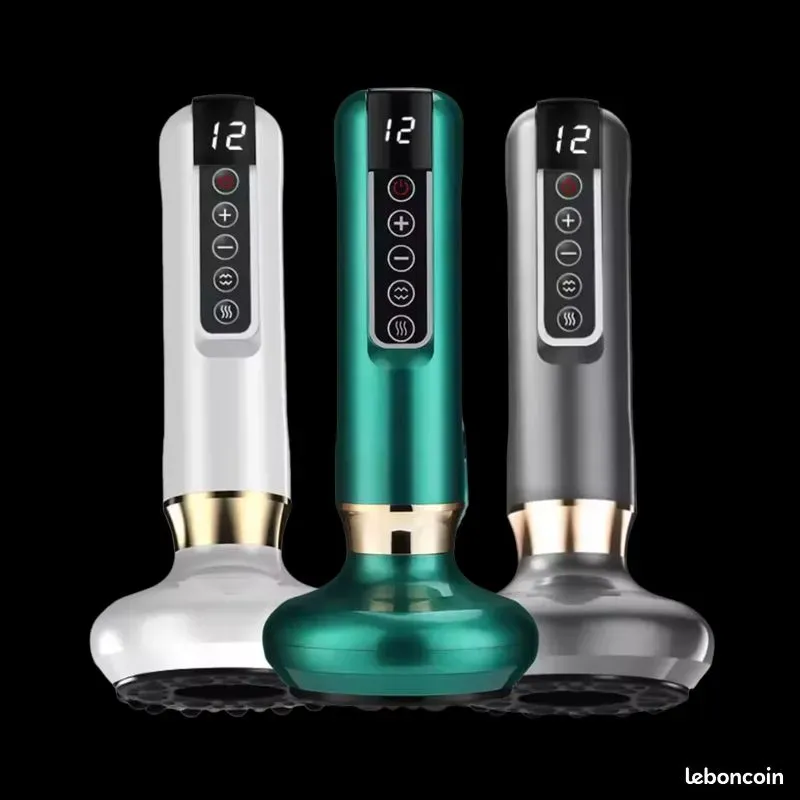
TL;DR: Cupping therapy is a recovery technique that uses suction to lift skin and soft tissue, helping to ease muscular tension and support circulation. While traditionally performed in clinics, modern electric devices now allow UK users to safely incorporate this practice into their home wellness routines for targeted relief and improved recovery.
What is cupping therapy?
Cupping therapy is a form of alternative medicine that creates local suction on the skin using specialised cups. Unlike traditional massage, which applies downward pressure to the muscles, cupping uses negative pressure to gently lift the surface tissue. In the UK, it has become a staple for everyone from professional athletes to office workers seeking to manage the physical toll of sedentary lifestyles.
Based on our testing of various home-use tools, this technique is particularly effective for targeting stubborn "knots" and areas of stagnation. By drawing the tissue upwards, cupping aims to create space within the soft tissue, which may help to reduce discomfort and promote a sense of physical lightness.
Key Takeaways
- Cupping therapy uses suction to lift the skin and soft tissue, which helps ease tension and support local circulation.
- Modern electric cupping devices offer greater control and safety than traditional flame-based methods.
- A quality UK device should feature adjustable suction levels and comply with British electrical safety standards.
- Temporary "cupping marks" are a normal side effect but usually fade within a few days.
- Individuals with specific medical conditions or pregnancy should consult a UK healthcare professional before use.
What are the benefits of cupping therapy?
Many users across Britain turn to cupping for its versatile applications in recovery and aesthetics. Furthermore, the practice is often integrated into broader physiotherapy or sports massage programmes.
Relieving muscular tension and "knots"
This is perhaps the most sought-after benefit. Cupping is frequently used on the back, shoulders, and legs to address tightness caused by exercise or poor posture. By decompressing the tissue, it can help areas feel less restricted.
Supporting circulation and blood flow
The suction creates a localised inflammatory response, which draws blood to the area. Consequently, this increased circulation is believed to provide the nutrients required for tissue repair, making it a popular choice for post-gym recovery.
Improving skin appearance and body contouring
In the UK beauty sector, cupping is often used to support lymphatic drainage. While it is not a weight-loss tool, the combination of suction and heat can help reduce the appearance of puffiness and temporarily smooth the skin's surface.
How does cupping therapy work?
When a cup is applied, the vacuum creates a "lifting" effect on the fascia and muscle layers. This mechanical shift can alter the way pain signals are processed by the body. Modern tools, such as SmoothSilhouette’s 3-in-1 Smart Cupping Massager, enhance this process by adding red light therapy and heat.
In addition to the physical lift, the heat helps to soften the collagen in the connective tissue. Therefore, the treatment becomes more effective at lower suction levels, making it more comfortable for those with sensitive skin. According to UK safety guidelines, users should always start on the lowest setting to assess their skin's tolerance.
Is cupping therapy safe and what are the side effects?
Safety is a primary concern for UK buyers. While cupping is generally safe for healthy individuals, it does leave distinct circular marks. These are not bruises in the traditional sense; rather, they are caused by the suction drawing blood into the superficial capillaries. According to our testing, these marks typically fade within 3 to 7 days.
However, it is vital to avoid cupping on broken skin, sites of deep vein thrombosis (DVT), or areas with active skin conditions. If you are pregnant or have a bleeding disorder, you should seek advice from a GP or a member of the British Acupuncture Council before starting home treatment.
Can I do cupping therapy at home?
Yes, the rise of electric cupping devices has made home treatment more accessible than ever. Traditional "fire cupping" requires significant expertise and carries a risk of burns, which is why electric alternatives are now the preferred choice for domestic use in the UK.
When choosing a device, ent offers adjustable intensity. Our research into the UK market shows that the best devices provide an "emergency release" button, allowing you to break the suction instantly if the sensation becomes too intense. For a detailed comparison of available tools, see our Ultimate Guide to Electric Cupping Massagers in the UK.
What the evidence says
The scientific community continues to study cupping. While some studies suggest it is highly effective for chronic neck and back pain, others call for more large-scale trials. Nevertheless, the anecdotal evidence from UK physiotherapists and athletes remains strong, with many incorporating it as a low-risk, high-reward component of their wellness toolkit.
Ultimately, cupping should be viewed as a supportive therapy. It works best when combined with a healthy lifestyle, regular movement, and proper hydration.
Ready to transform your recovery with SmoothSilhouette?
Shop Now — £34.98