The Ultimate Guide to an Electric Cupping Massager in the UK
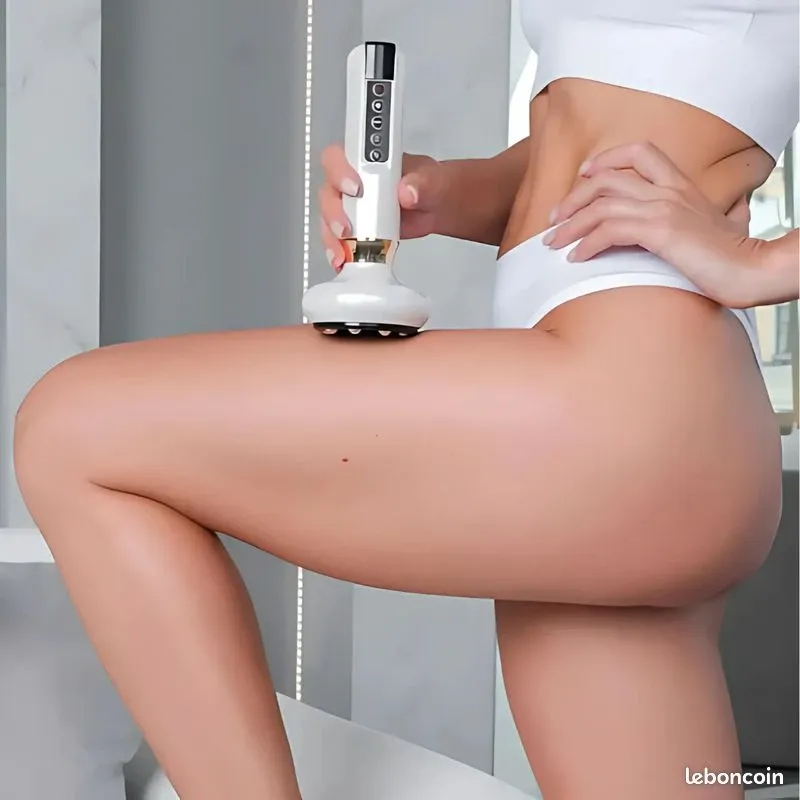
In short: an electric cupping massager is a handheld recovery device that uses adjustable suction — usually with heat and sometimes red light — to lift the skin and soft tissue, so at-home cupping is easier to control than traditional fire cups. For UK gym-goers, it is mainly used for post-workout muscle recovery and easing training-related tightness. It can help you feel looser, but it is a recovery aid, not a proven performance booster or a medical treatment.
What is an electric cupping massager?
An electric cupping massager is a rechargeable, cordless device that recreates traditional cupping without flames or glass cups. Instead of heating the air to create a vacuum, a small motor draws rhythmic suction through a cup head placed on the skin. Most modern units are marketed as "3-in-1" because they combine three things in one tool: adjustable suction, gentle infrared heat, and red light.
The SmoothSilhouette Smart Cupping Massager is a typical example for the UK market: 12 suction levels, four interchangeable heads, built-in heat and red light, an AI control chip that watches temperature and intensity, a 20-minute auto shut-off and a one-touch pressure-release button. It is priced at £34.98 with free UK delivery.
How is it different from traditional fire cupping?
Fire cupping relies on a flame to create suction and usually leaves the cups static for several minutes. An electric device gives you dialled-in, repeatable suction and lets you glide the cup along a muscle ("moving cupping") with a little body oil. For someone recovering at home after training, that control matters more than tradition: you can start light, feel how a muscle responds, and stop instantly with the release button rather than waiting for a cup to cool.
Do the 12 suction levels actually make a difference?
They do, and for gym recovery this is the feature worth caring about. Lower levels are enough for a warm-up pass or a sensitive area; higher levels give the deeper "pull" you may want on a tight quad or a stiff upper back after a heavy session. If you train hard and want to work the same muscle group at different intensities across the week, a wide, genuinely graded range is more useful than a device with two or three vague settings. Being able to fine-tune the pull is what makes it practical after leg day, when the same calf can feel fine one day and rope-tight the next.
Heat is the second lever. Warmth makes the tissue more comfortable to work on and many users find it more relaxing, though it is a comfort feature rather than a proven treatment on its own.
Does electric cupping actually help muscle recovery?
Here is the honest picture. Cupping has a reasonable evidence base for short-term relief of some musculoskeletal pain: reviews of dry and wet cupping report modest, short-lived improvements in conditions like neck and low back pain. But specifically for post-exercise recovery in athletes, the current evidence is limited and not strong enough to say cupping reliably reduces soreness, speeds recovery or improves performance. Studies are small and results are mixed.
What that means in practice: plenty of gym-goers find an electric cupping massager helps them feel looser and less stiff after training, and that subjective "my legs feel less heavy" effect is a legitimate reason to use one. Just treat it as a recovery aid alongside the basics that are proven to matter — sleep, adequate protein, sensible training load and mobility work — not as a shortcut that replaces them. If a muscle pain is sharp, persistent or came from a specific injury, see a physiotherapist or GP rather than working it with suction.
Is it better than traditional cupping for recovery?
For home use, "better" mostly comes down to control and safety rather than a different biological effect. An electric unit is easier to apply consistently, easier to stop, and does not involve an open flame — which is why many people switching from clinic sessions to home recovery prefer it.
What about the red light and heat?
Red light therapy is an emerging area. There is genuine research interest in red and near-infrared light for skin and tissue, but the evidence is mixed and the effect of a small at-home LED is not the same as a clinical device. It is fair to say red light may support skin comfort during a recovery routine; it is not proven to remove fat, "burn" anything or deliver dramatic body changes, so treat it as a pleasant extra rather than the main reason to buy. The infrared heat is best understood the same way: comfortable and relaxing, and a nice pairing with suction, but not a medical treatment.
How to choose an electric cupping massager in the UK
- A genuinely graded suction range — several usable levels, not two extremes, so you can match intensity to how a muscle feels that day.
- An instant release — a one-touch button to break suction immediately protects against over-doing a sensitive area.
- Heat you can turn off — useful for comfort, but you want control over it.
- UK safety and support — look for UKCA marking, a clear warranty and returns. SmoothSilhouette lists UKCA compliance, a 12-month warranty and 30-day returns.
- Sensible price — at £34.98 the SmoothSilhouette device costs less than a single clinic session, which is part of the appeal for anyone weighing up cupping therapy near me against buying once and using it at home.
How to use one safely after training
- Apply a little body oil so the cup can glide instead of pinching.
- Start on the lowest suction, then build up only as far as is comfortable.
- Keep moving the cup over larger muscles (quads, hamstrings, calves, upper back) rather than parking it in one spot for long.
- Keep sessions short — a few minutes per area — and use the release button the moment anything feels sharp.
- Avoid the spine, broken or irritated skin, varicose veins and any area of unexplained swelling.
Mild, round marks or redness can appear and usually fade within a few days; dramatic bruising is not the goal and usually means too much suction. If you take blood-thinning medication, have a clotting disorder, are pregnant or have a skin or vascular condition, check with a healthcare professional first. For a related technique you can use on the neck and shoulders, see our guide to gua sha before and after, and if your main concern is your back, read cupping for back pain UK.
Ready to build recovery into your routine? The SmoothSilhouette Smart Cupping Massager offers 12 suction levels, heat and red light from £34.98, with free UK delivery, 30-day returns and a 12-month warranty.
Frequently asked questions
Is an electric cupping massager worth it for gym recovery?
For many gym-goers, yes as a comfort and mobility aid: it can help tight muscles feel looser after training. Be realistic though, the evidence that cupping speeds recovery or reduces soreness in athletes is limited, so use it alongside sleep, protein and sensible training rather than as a replacement.
How often should I use an electric cupping massager after training?
A few minutes per muscle group, a few times a week, is plenty. Regular short sessions are more comfortable and sustainable than one long, aggressive session that leaves the area tender.
Can an electric cupping massager replace a sports massage?
Not entirely. It is a convenient at-home tool for general tightness, but a qualified sports therapist can assess you and treat specific problems. Think of the device as maintenance between appointments, not a full substitute.
Does electric cupping leave marks?
It can leave mild, round redness or marks that usually fade within a few days. Dramatic bruising is not the aim and normally means the suction was too high, so start low and build up gradually.
Shop the 3-in-1 Smart Cupping Massager — £34.98
Shop Now — £34.98