Cupping for Back Pain UK: Does It Help, and How to Try It at Home
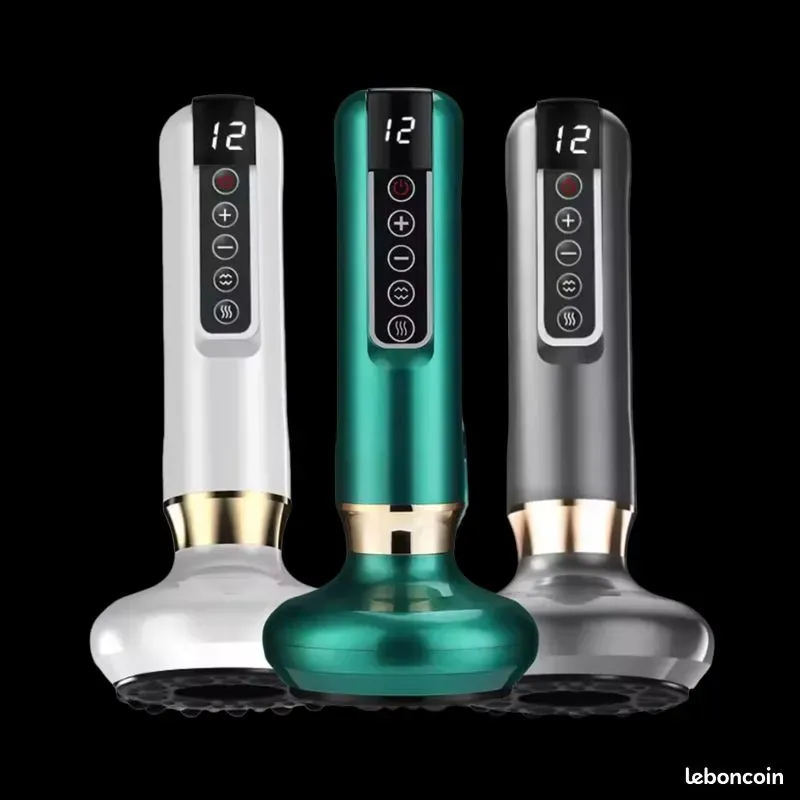
In short: people try cupping for back pain UK-wide because the suction can ease muscular tightness and may give short-term relief for a stiff, aching lower back. The evidence points to modest, short-lived benefits rather than a cure, so it is best treated as one comfort tool alongside movement and good habits. If your back pain is severe, persistent, or comes with numbness, weakness or bladder problems, see a GP before reaching for any device.
Can cupping really help a sore lower back?
If you have lived with a nagging lower back for months, you have probably tried heat packs, painkillers and stretching, and you want something that reaches the spot your own hands cannot. That is the honest appeal of cupping: the cups pull the skin and soft tissue upwards instead of pressing down, which many people find eases the sensation of tightness across the lower back and gives a feeling of release.
What does the research say? Reviews of cupping for low back pain are cautiously positive: a 2024 systematic review from the University of Nottingham found moderate-quality evidence that cupping improves pain and disability in the short term, roughly over a two-to-eight week window. Crucially, the same reviews did not find a lasting effect months later, and study quality varies. So a fair summary is: cupping may help you feel better in the short term, but it is not a proven long-term fix, and it works best as part of a wider routine.
How cupping is thought to work on the back
Traditional cupping uses heated glass cups to create a vacuum. An electric cupping massager does the same job with a small motor and adjustable suction, which is far easier to control on your own back. The suction lifts the tissue, which is thought to encourage local blood flow and reduce the feeling of tension in tight muscles. Whether that translates into a measurable change or simply feels good, the practical result many report is the same: the area feels looser afterwards.
For a stubborn lower back, the ability to reach and control the device matters most. A cordless unit with a long-enough reach and a range of intensities lets you start gently and build up, rather than relying on someone else or a fixed clinic appointment.
Is cupping safe for back pain, and when is it not?
Used sensibly, cupping is generally well tolerated, and marks or mild redness usually fade within a few days. But it is not for everyone or every situation. Avoid cupping directly over the spine, over broken or irritated skin, varicose veins, moles or any area of unexplained swelling. If you take blood-thinning medication, have a clotting disorder, are pregnant, or have a skin or circulatory condition, speak to a healthcare professional first.
Most importantly, cupping is for ordinary muscular aches — not a substitute for a diagnosis. Cupping is not offered as a standard NHS treatment, and NICE guidance for low back pain focuses on staying active and structured exercise, with manual therapies only as part of a wider package. See a GP promptly if your pain is severe, follows an injury or fall, does not settle, or comes with leg weakness, numbness, or problems controlling your bladder or bowels.
How to try cupping for back pain at home
- Apply a little body oil so the cup glides rather than pinches.
- Start on the lowest suction setting and see how the area responds before increasing it.
- Glide the cup over the broad muscles either side of the spine — never directly on the bones — for a few minutes.
- Stop immediately with the release button if anything feels sharp, and keep sessions short and regular rather than long and aggressive.
A device that combines suction with gentle heat can feel more comfortable on a tight back. If you are new to the category, our guide to the electric cupping massager covers how the controls and heads work. And if you are weighing up a home device against booking a session, see cupping therapy near me.
The SmoothSilhouette Smart Cupping Massager is a cordless option built for reaching your own back: 12 suction levels, built-in heat and a one-touch release button, priced at £34.98 with free UK delivery and 30-day returns.
Frequently asked questions
Does cupping actually help back pain?
It may help in the short term. Reviews of cupping for low back pain report modest improvements in pain and disability over a few weeks, but not a proven long-term cure. Many people find it eases the feeling of tightness, so it is best used as one comfort tool alongside staying active.
Is cupping safe for lower back pain?
For most people it is well tolerated, leaving only temporary marks or redness. Avoid the spine itself, broken skin and varicose veins, and check with a healthcare professional first if you take blood thinners, are pregnant, or have a clotting, skin or circulatory condition.
How often can I use cupping for back pain at home?
Short, gentle sessions of a few minutes, a few times a week, are usually enough. Regular light use is more comfortable and sustainable than one long, high-suction session that leaves the area tender.
When should I see a doctor about back pain instead of using cupping?
See a GP promptly if the pain is severe, follows a fall or injury, does not settle, or comes with leg weakness, numbness, or problems controlling your bladder or bowels. Cupping is for ordinary muscular aches, not a substitute for diagnosis.
Try cupping at home — free UK delivery & 30-day returns
Shop Now — £34.98