Gua Sha Before And After Explained: A UK Buyer's Guide
Type “gua sha before and after” into a search engine and you will see dramatic photos, bold claims and plenty of confusion. Some show a more defined jawline. Others focus on reduced puffiness, looser shoulders or smoother-looking skin. The problem is that results vary widely depending on the tool, the area treated, how often it is used and whether expectations are realistic.
For UK shoppers, the more useful question is not whether gua sha works like a miracle fix, but what kind of change you can genuinely expect before and after regular use. That is where this guide helps. We will look at what gua sha is, what visible and physical changes are realistic, how quickly results may appear, and how to choose a tool that fits modern home recovery routines.
SmoothSilhouette focuses on practical recovery: relieving tension, supporting circulation and helping you contour the body with advanced gua sha-inspired technology. If you are comparing manual scraping tools with newer at-home devices, this guide will help you make a more informed UK buying decision.
Key Takeaways
- “Before and after” gua sha results are usually subtle at first, with the earliest changes often being reduced puffiness, a temporary feeling of lightness and less muscular tightness.
- Consistent use matters more than one intense session. Most people notice more meaningful changes over several weeks rather than overnight.
- Body gua sha and recovery tools are often used for tension relief and circulation support, while facial use is more commonly linked to depuffing and contouring.
- Marks are not required for effective treatment. Redness can happen, but dramatic bruising is not the goal for most at-home users.
- UK buyers should prioritise safety, build quality and clear instructions, especially when choosing electric or heated recovery tools.
What “gua sha before and after” really means
Gua sha is a technique that involves repeated strokes over the skin using a smooth-edged tool. Traditionally, it has been used on the body. In modern home routines, people use gua sha for two broad reasons: appearance and recovery. That distinction matters because “before and after” can mean very different things.
On the face, before-and-after changes are usually described as reduced puffiness, a more sculpted appearance and a temporary lift in areas where fluid retention makes features look heavier. On the body, people are more likely to talk about looser muscles, less stiffness, improved comfort and a feeling of better circulation after treatment.
That is why a realistic buyer’s guide must separate short-term effects from long-term outcomes. Immediately after a session, you may look slightly flushed or feel warmer in the treated area. A few hours later, the area may feel less tight. Over time, with repeated use, many people report better comfort and more noticeable contouring effects when gua sha is part of a broader recovery or body-care routine.
What changes can you realistically expect before and after gua sha?
Before and after one session
After a single session, the most common changes are temporary. These may include:
- less facial puffiness, especially in the morning
- a mild post-treatment glow from increased surface circulation
- reduced sensation of tightness in the neck, shoulders, calves or back
- a temporary feeling of lightness or release in tense areas
- mild redness where the tool has been used
For body use, one session is more likely to change how you feel than how you look. If your interest is recovery, this is often where gua sha is most useful. If your interest is dramatic body contouring, one session will not deliver that.
Before and after several weeks
When people use the technique regularly and correctly, before-and-after differences may become easier to spot. These can include:
- less frequent feelings of muscular tightness
- better comfort after workouts or long periods sitting at a desk
- more consistently reduced facial puffiness
- a slightly more defined look in areas affected by fluid retention
- improved adherence to a self-care or recovery routine
These changes are usually gradual. Photos taken in the same lighting and posture, at the same time of day, are more reliable than social media snapshots taken under flattering angles.
What gua sha does not do
It does not replace medical treatment. It does not permanently remove fat. It does not reshape your bone structure. It does not cure chronic pain conditions. Any buyer’s guide that promises dramatic, permanent transformation from a hand tool alone is overselling the method.
Why before-and-after results vary so much
The biggest reason results differ is that gua sha is not one single outcome. A person treating a puffy face after a salty meal is chasing a different result from someone trying to ease shoulder tension after office work, or relieve heavy legs after exercise.
There are also practical differences that affect outcomes:
- Technique: pressure that is too light may do very little; too much can irritate the skin.
- Frequency: occasional use tends to produce only temporary changes.
- Area treated: the face responds differently from the back, thighs or shoulders.
- Hydration and lifestyle: sleep, salt intake, training load and stress all influence puffiness and tension.
- Type of tool: manual stone tools, stainless steel tools and smart recovery devices do not feel the same in use.
If your goal is body recovery rather than a beauty-focused result, a device that combines several functions may be more useful than a basic scraping tool. That is one reason many UK buyers now compare gua sha with electric cupping and massage tools. For a broader look at that category, see The Ultimate Guide to Electric Cupping Massager in the UK.
Facial gua sha before and after: what to expect
Facial gua sha is often judged by photos, but the most realistic short-term result is depuffing rather than deep structural change. You may notice that your face looks less swollen around the cheeks, jawline or under-eye area. This is especially common first thing in the morning.
The “after” effect usually looks best when the technique is gentle, the skin has enough slip from an oil or serum, and the strokes follow a consistent direction. Overworking the face can backfire by causing irritation.
For many people, the appeal of facial gua sha is that it creates a more refreshed appearance without harsh treatment. The key is consistency and moderation. If your face looks fresher after a session, that can be a worthwhile result, even if it is not a dramatic transformation.
Body gua sha before and after: tension, circulation and contouring
Body gua sha tends to make more sense when discussed in recovery terms. Tight shoulders, stiff calves, sore thighs and a tense upper back are common reasons people use scraping or massage tools at home. The “after” result is often felt as improved ease of movement rather than seen instantly in the mirror.
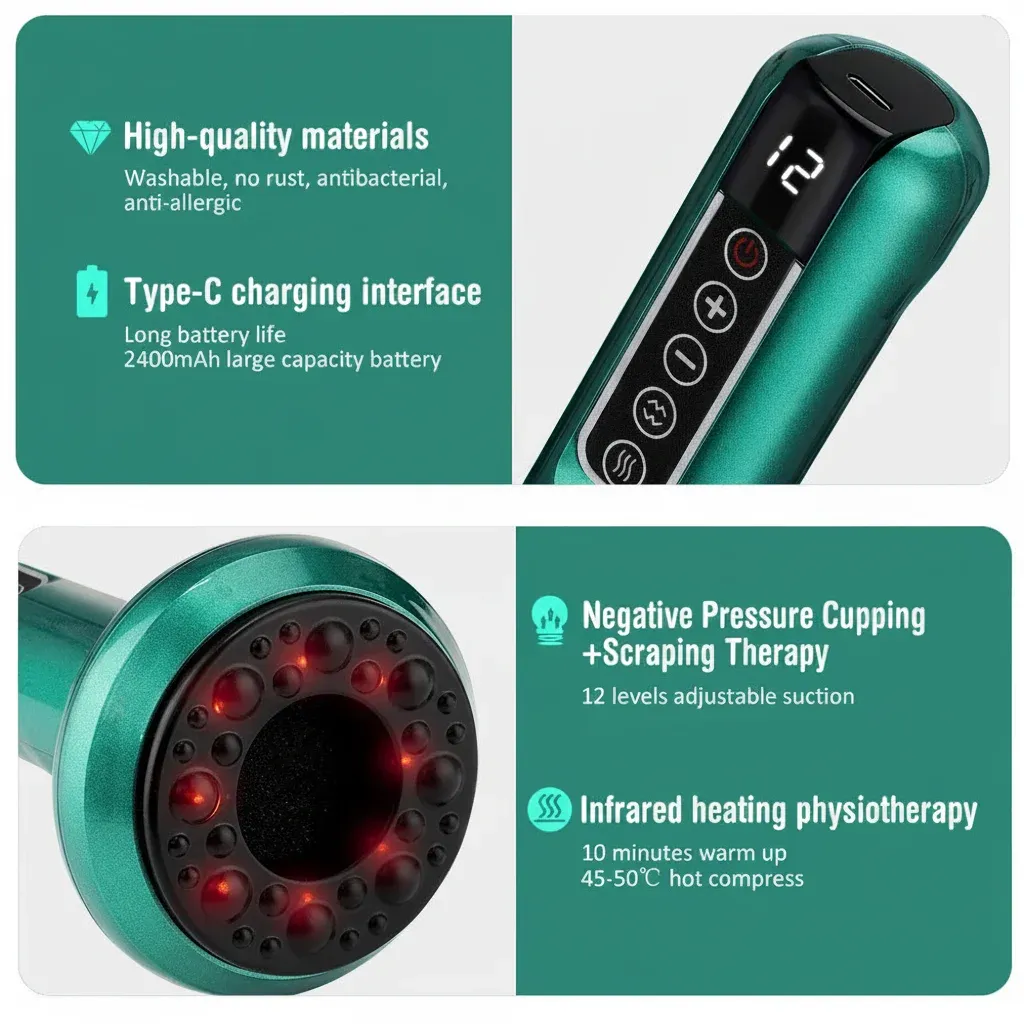
SmoothSilhouette’s approach sits squarely in this space. The brand message, “Master Your Recovery with Advanced Gua Sha Tools”, reflects what many users are actually trying to achieve: relief from tension, support for circulation and a more targeted body-care routine. A 3-in-1 smart cupping massager can naturally fit this need because it combines several recovery benefits in one tool, rather than relying on scraping pressure alone.
If you are comparing body gua sha with modern cupping devices, it helps to understand the overlap. Both are commonly used to stimulate the area, encourage a warming effect and ease muscular tightness. You can read more about that wider category in Cupping Therapy Explained: A UK Buyer's Guide.
Where body before-and-after changes show up most clearly
- Shoulders and neck: reduced tightness after desk work or stress-related tension
- Upper and lower back: a feeling of looseness and better comfort after inactivity
- Thighs and calves: less heaviness after training or standing for long periods
- Arms and waist area: temporary smoothing or contouring effects linked to massage and circulation support
These are not guaranteed outcomes, but they are more realistic than sweeping claims about instant reshaping.
How long does it take to see gua sha before and after results?
Timing depends on your goal. If the aim is facial depuffing, you may see a difference after one session. If the aim is muscular relief, the “after” feeling can also be immediate. If the aim is a more consistent change in how your body feels after work, exercise or daily strain, regular use over several weeks is more relevant.
A sensible expectation for most at-home users is:
- After one use: temporary relief, warmth, mild redness or reduced puffiness
- After one to two weeks: more predictable short-term benefits if used regularly
- After four to eight weeks: clearer sense of whether the method helps your routine, comfort and appearance goals
For body recovery tools, regularity usually beats intensity. A few minutes several times a week is often more manageable than one aggressive session that leaves the area overly sensitive.
What does the evidence say?
Evidence around gua sha is mixed and depends heavily on what outcome is being measured. There is some research interest in the technique for musculoskeletal discomfort and circulation-related effects, though study sizes are often small. A commonly cited example is a 2011 study published in Pain Medicine, which found that gua sha had short-term benefits for pain reduction and improved quality of life in people with chronic neck pain when compared with a thermal heat pad. That was a limited study, but it remains relevant because neck and shoulder tension are among the most common reasons people try gua sha-style tools at home.
For broader physical activity guidance, the NHS recommends adults aim for regular movement and strengthening activity to support musculoskeletal health. Self-massage tools can complement that wider routine, but they should not be seen as a substitute for exercise, clinical care or diagnosis where needed. That balanced view is especially important for UK buyers who want practical results without exaggerated claims.
If you are deciding between home treatment and booking a professional appointment, Cupping Therapy Near Me Explained: A UK Buyer's Guide offers useful context on what to weigh up in the UK market.
Common mistakes that distort before-and-after results
Using too much pressure
People often assume harder means better. It does not. Excess pressure can irritate the skin, cause soreness and make you less likely to stay consistent.
Judging results from poor photos
Lighting, posture, hydration and even the time of day can completely change how “after” results look. If you want an honest comparison, use the same room, the same angle and the same timing.
Expecting permanent contouring after one session
Most visible changes are temporary at first. Lasting improvement in comfort or routine comes from repeated use.
Using the wrong tool for the goal
A small facial stone is not ideal for larger body areas. If your aim is to relieve tension across the shoulders, back or legs, a more advanced device may be far more practical than a traditional tool.
How to choose the right tool in the UK
UK shoppers are increasingly choosing between basic manual gua sha tools and modern electric recovery devices. The right choice depends on what you want from the “after” stage.
Choose a manual gua sha tool if you want:
- a simple, low-cost option
- light facial depuffing
- precise control over pressure
- a travel-friendly addition to your routine
Choose an advanced recovery device if you want:
- help with larger body areas
- support for tension relief and circulation
- more than one function in a single device
- a quicker, more convenient at-home recovery routine
This is where SmoothSilhouette’s 3-in-1 Smart Cupping Massager has a natural advantage. For buyers who are less interested in beauty trends and more interested in practical body recovery, a smart tool can offer a more efficient route to the kinds of before-and-after changes that matter in daily life: less stiffness, easier movement and targeted relief after work or exercise.
When buying in the UK, check for clear product instructions, charging and plug compatibility, returns information, and sensible safety guidance. Reputable British ecommerce brands should make these details easy to find.
Safety and UK-specific considerations
Gua sha should not be used over broken skin, active rashes, infected areas or unexplained swelling. People with clotting disorders, those taking anticoagulants, or anyone with a skin or vascular condition should seek professional advice before trying intense scraping or suction-based tools.
Ready to transform your recovery with SmoothSilhouette?
Shop Now — £34.98